BPP Partnership Impact Series: Strengthening solar repair skills and livelihoods in Vanuatu’s remote communities
Since its launch, the Business Partnerships Platform (BPP) has worked with ambitious partners to deliver meaningful, lasting change in communities across the world. The BPP Partnership Impact Series celebrates the outcomes and lessons from our partnerships, highlighting their contributions to inclusive economic growth, resilience and sustainable development.
Our Off-Grid Renewable Energy partnerships across the Pacific and Timor-Leste focused on sustainable, locally-led solutions that expand energy access for remote and rural communities, while delivering tangible social and economic benefits. They are pilots for REnew Pacific, the Australian Infrastructure Financing Facility for the Pacific’s (AIFFP) $75 million investment to scale off-grid renewable energy across the region. This partnership focused on building local capacity to repair and maintain existing solar products and infrastructure, strengthening long-term energy access and reducing solar e-waste in remote communities.
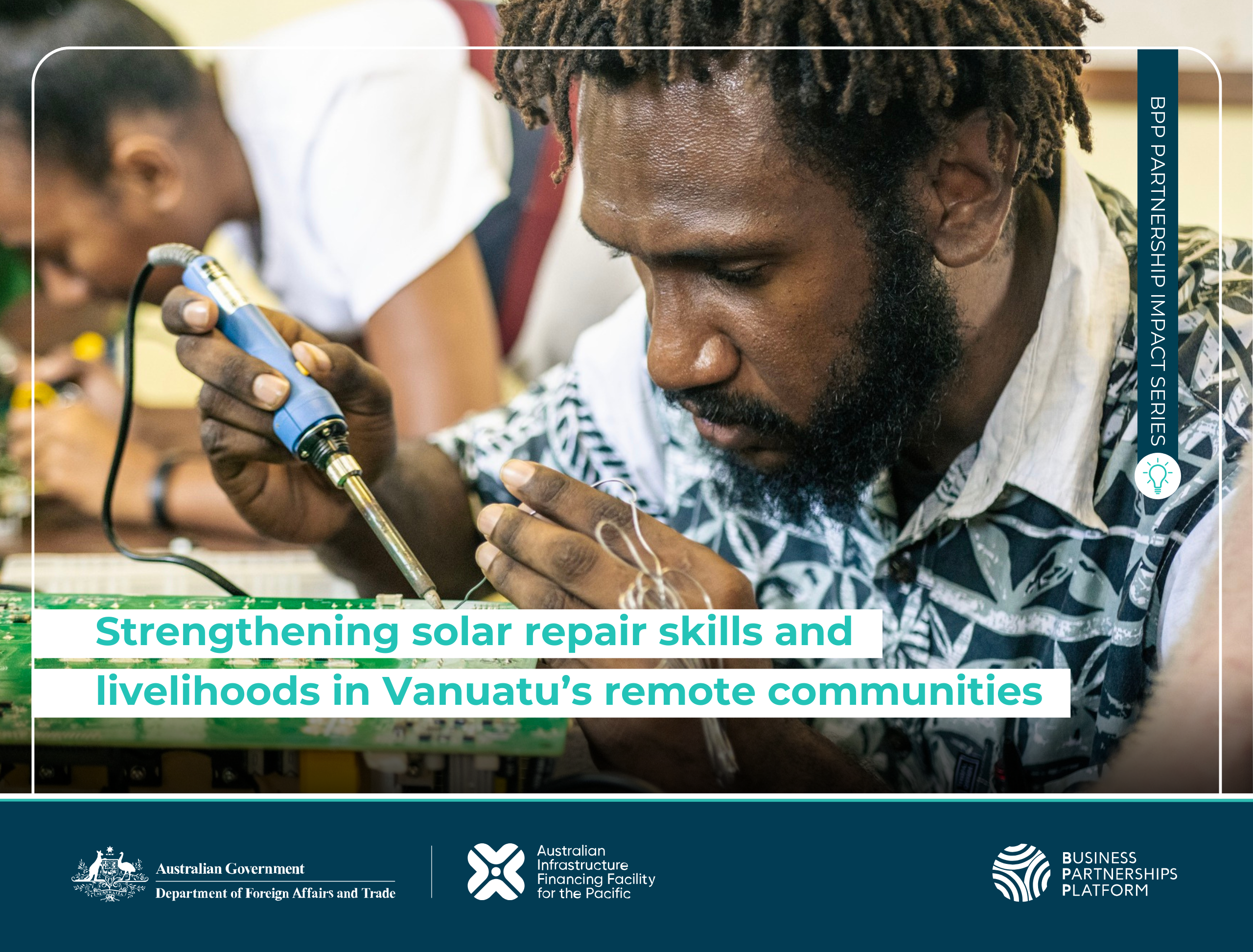
Strengthening solar repair skills and livelihoods in Vanuatu’s remote communities
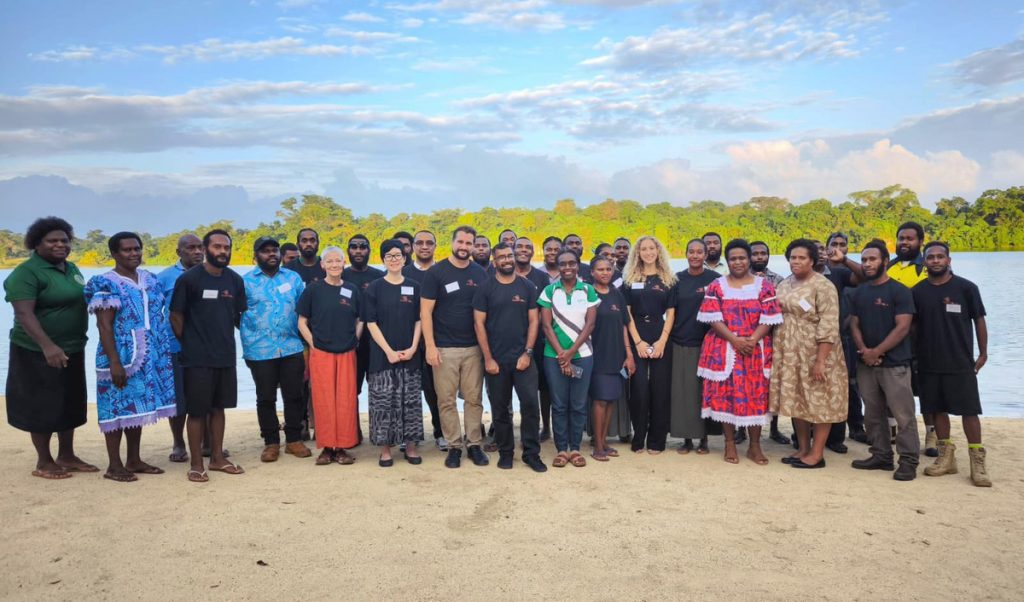
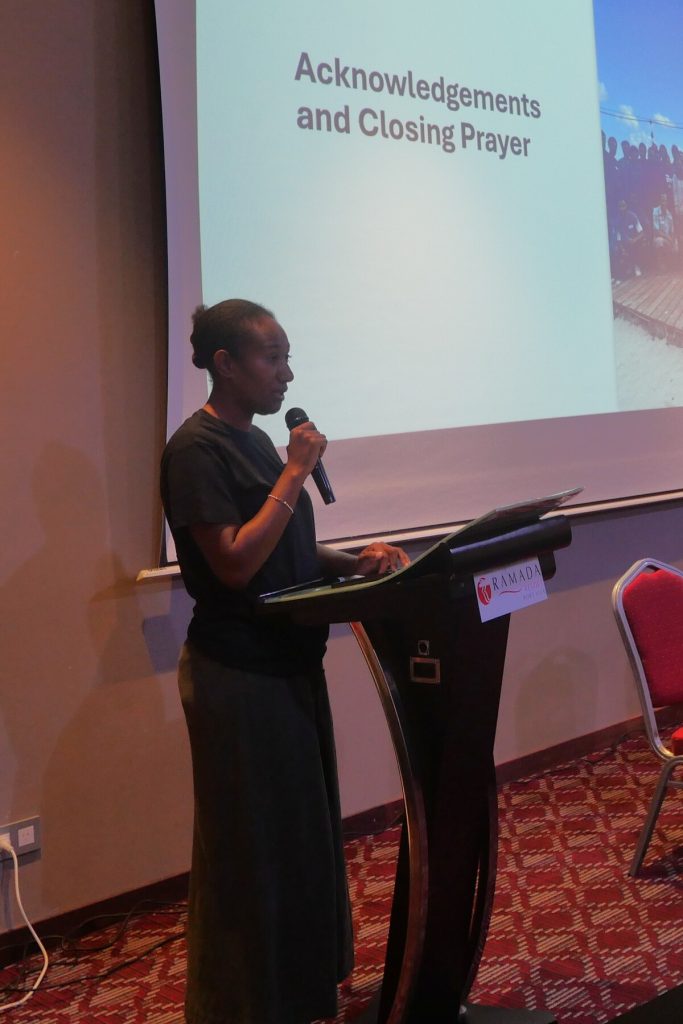
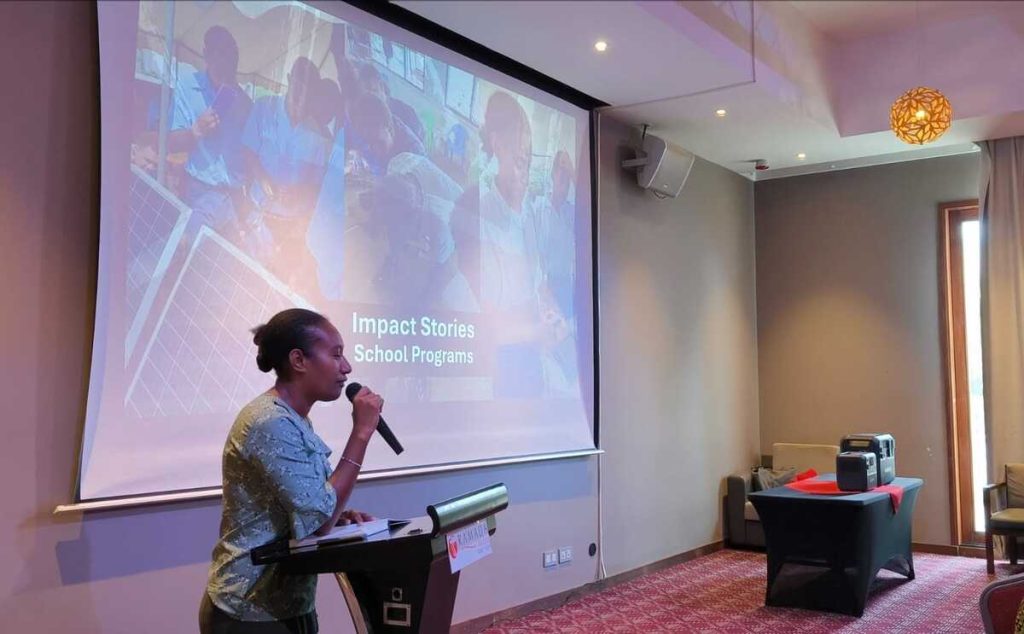
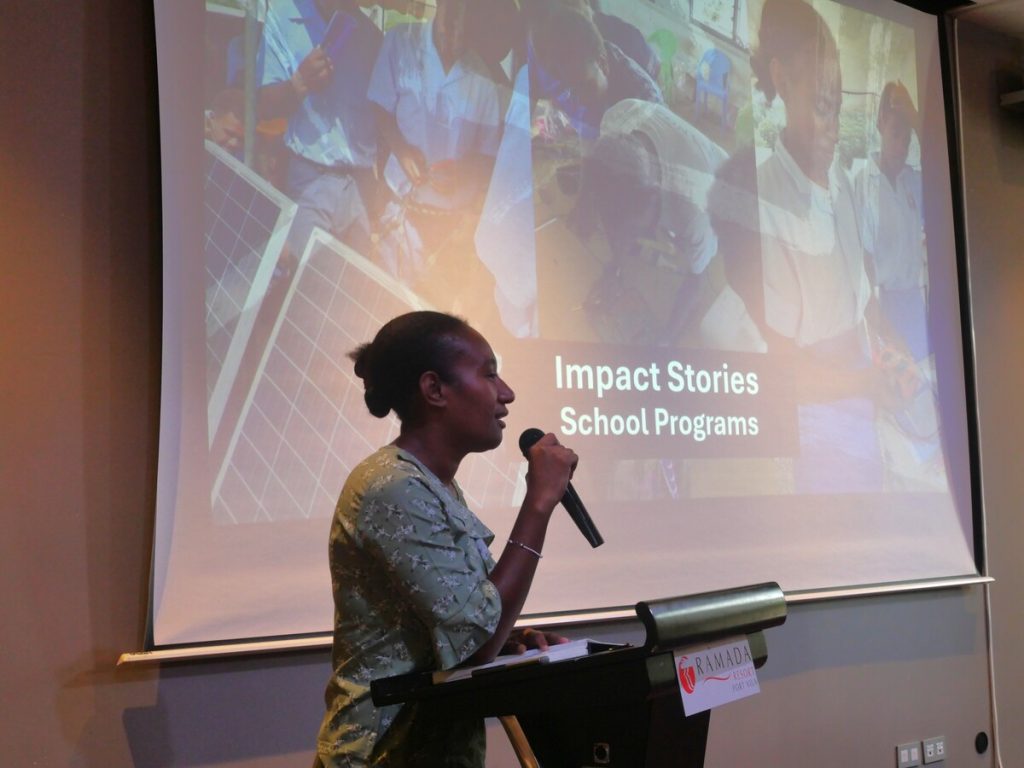
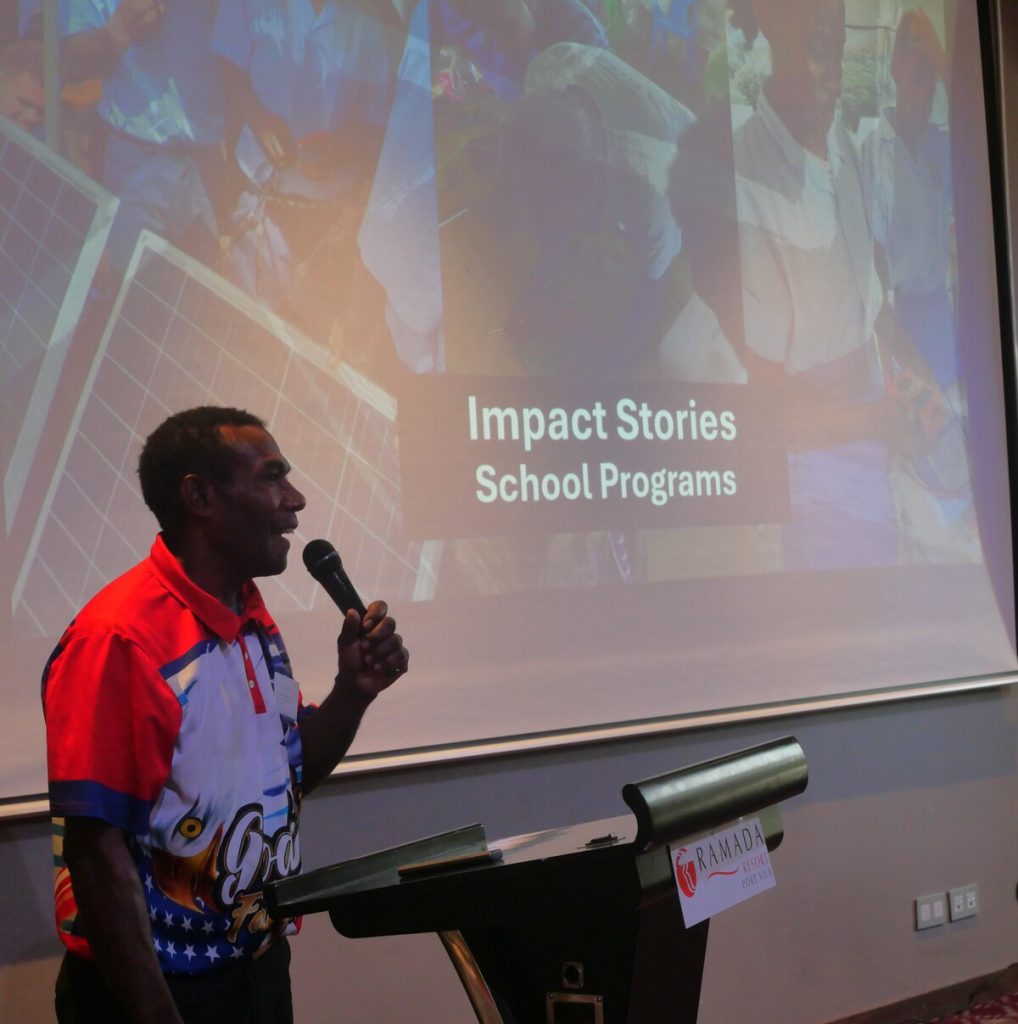
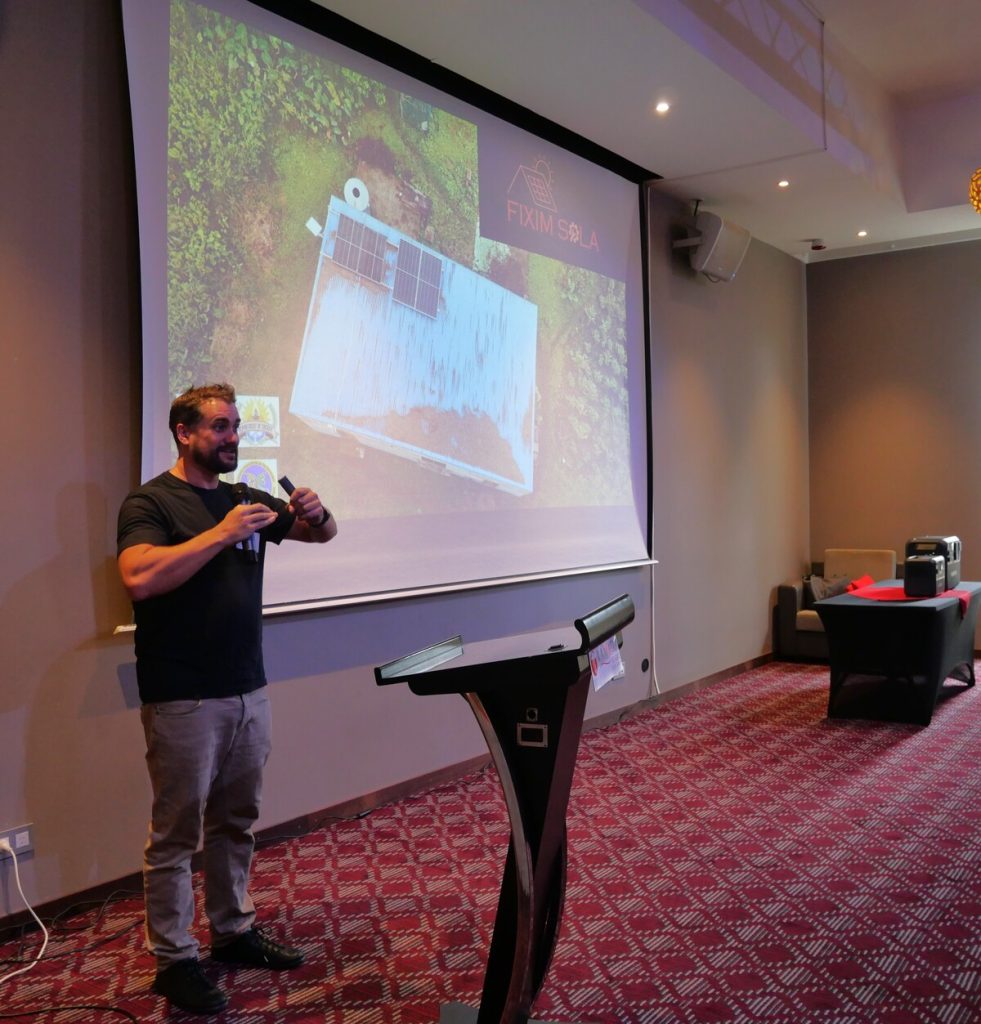
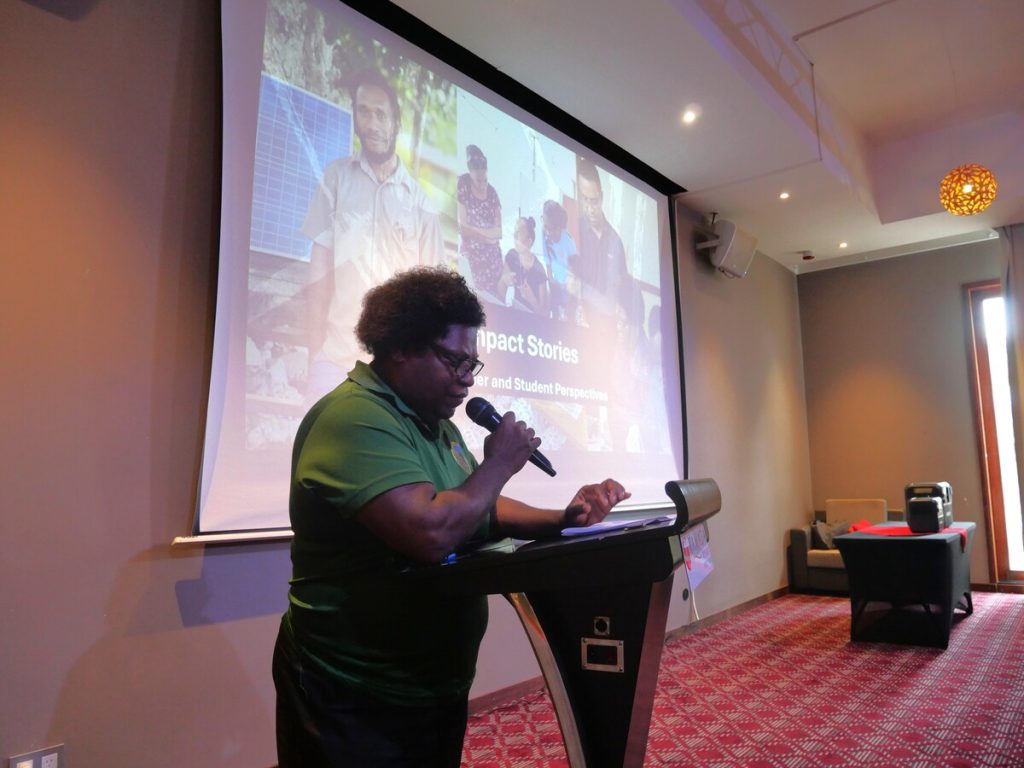
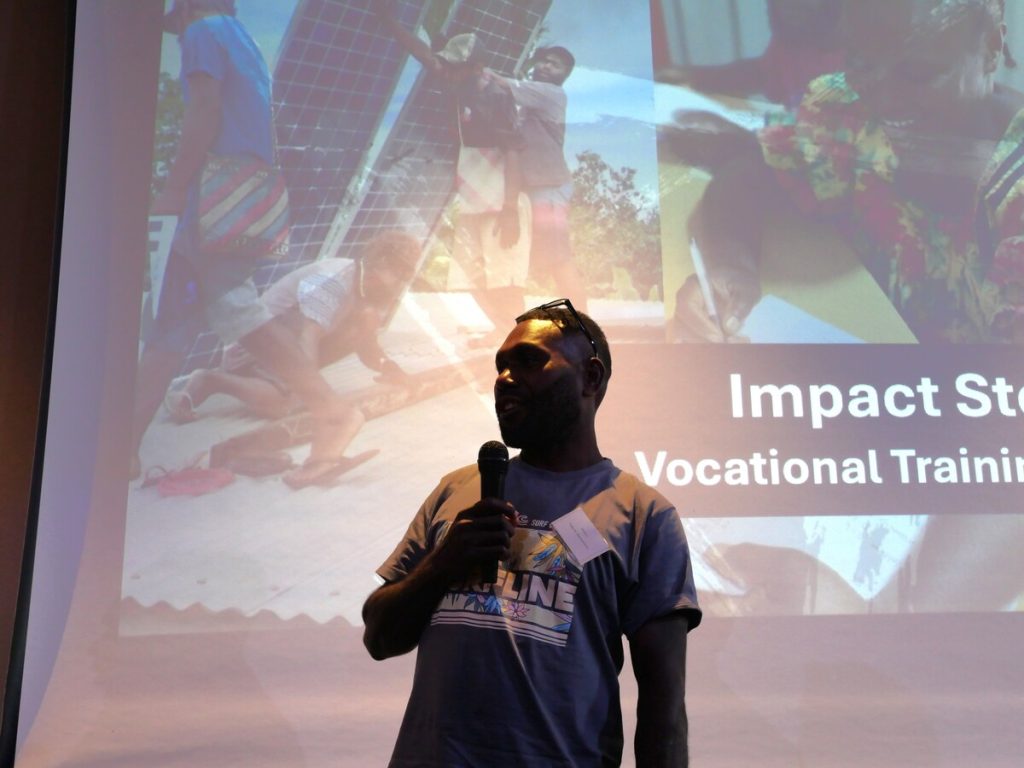
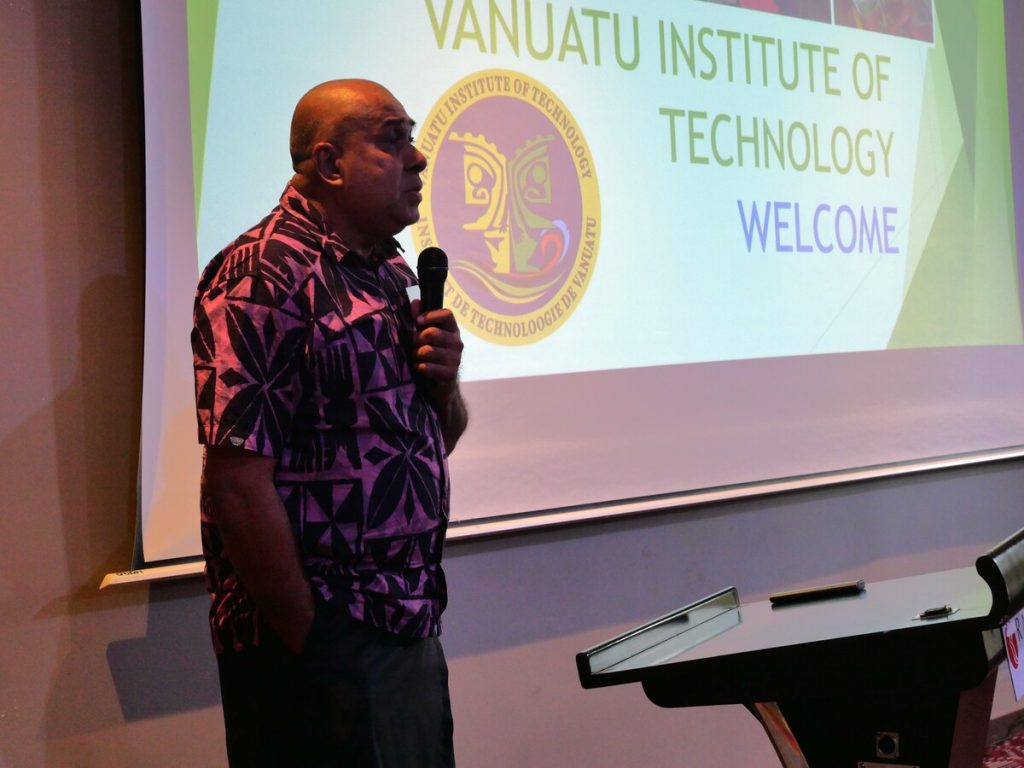
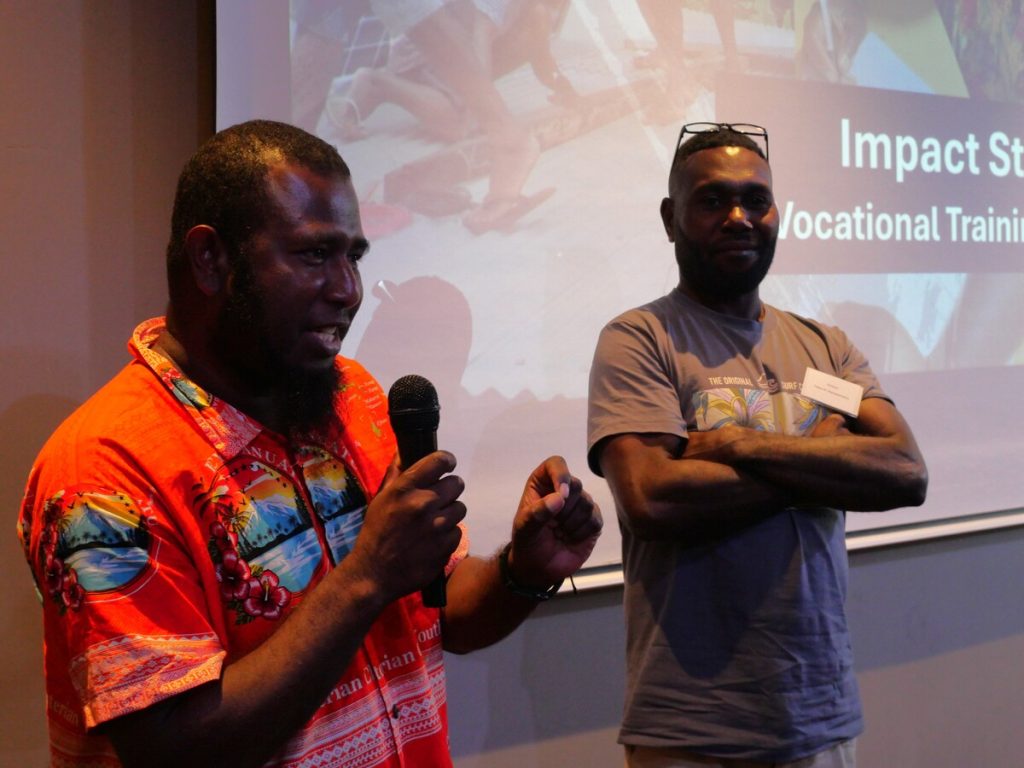
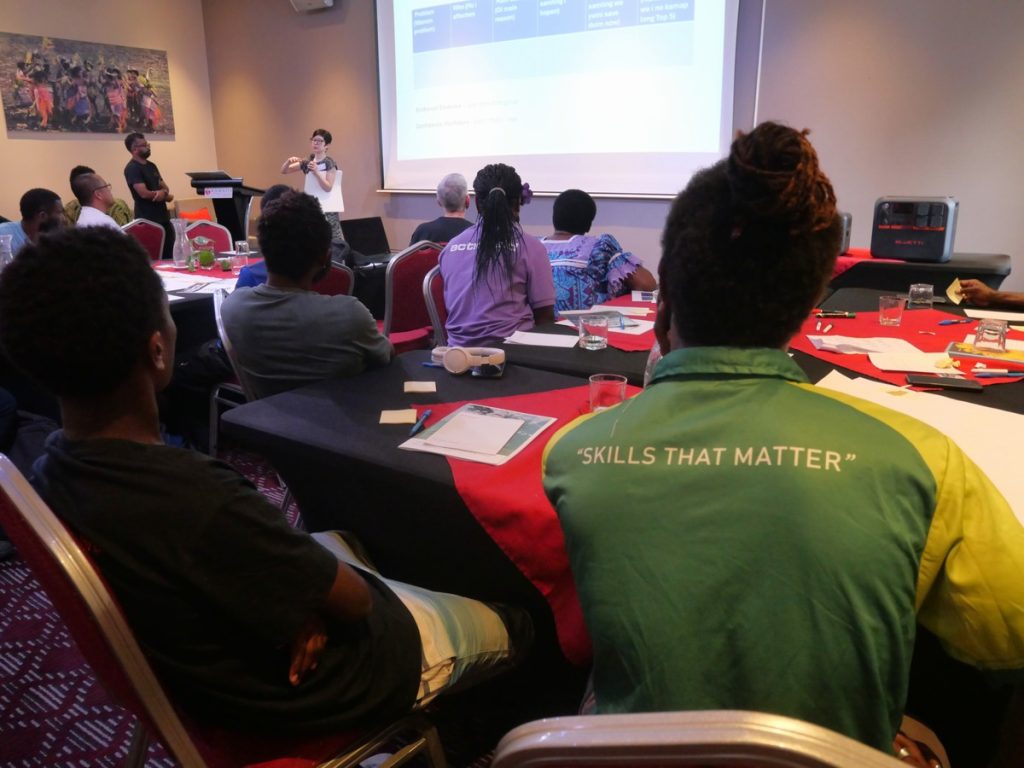
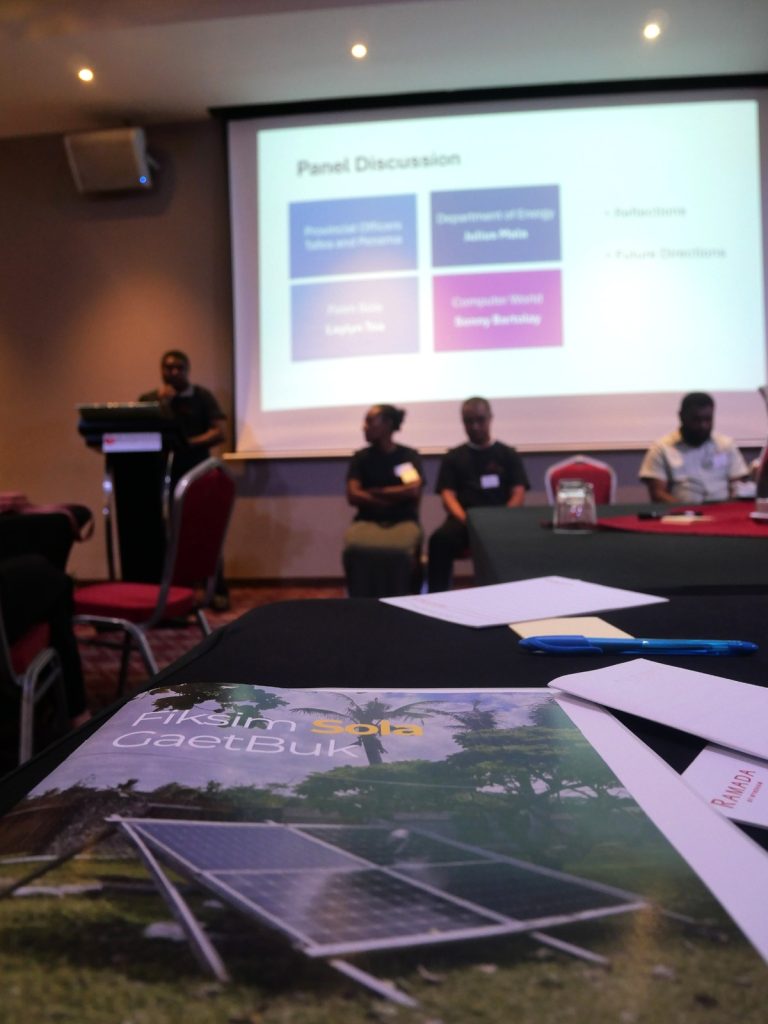
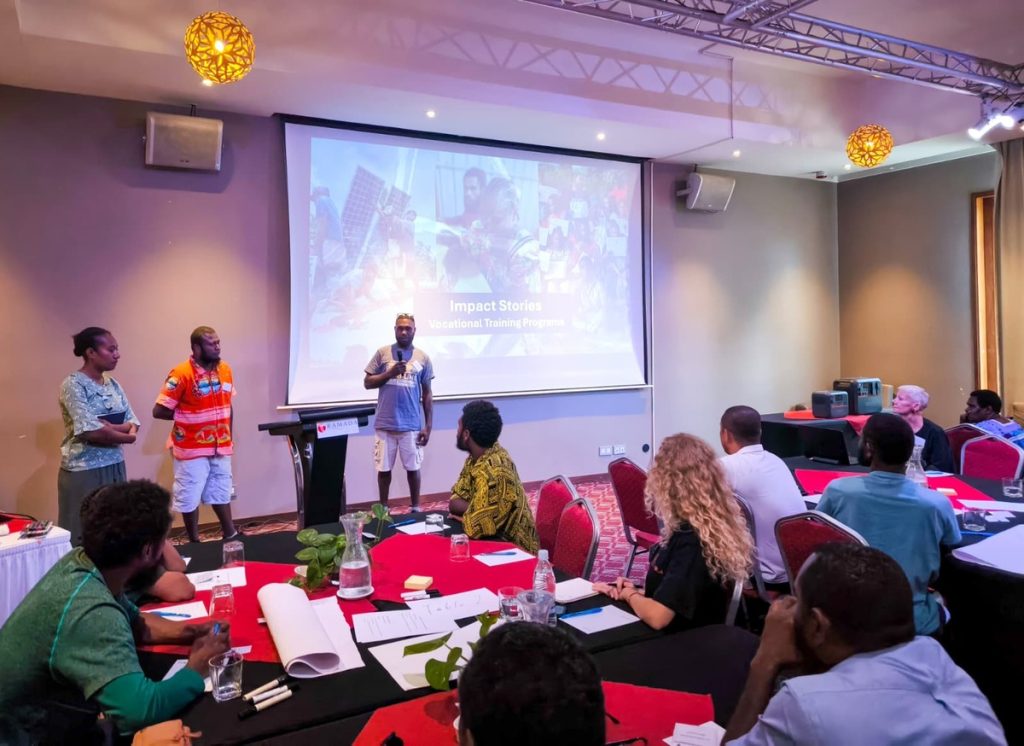
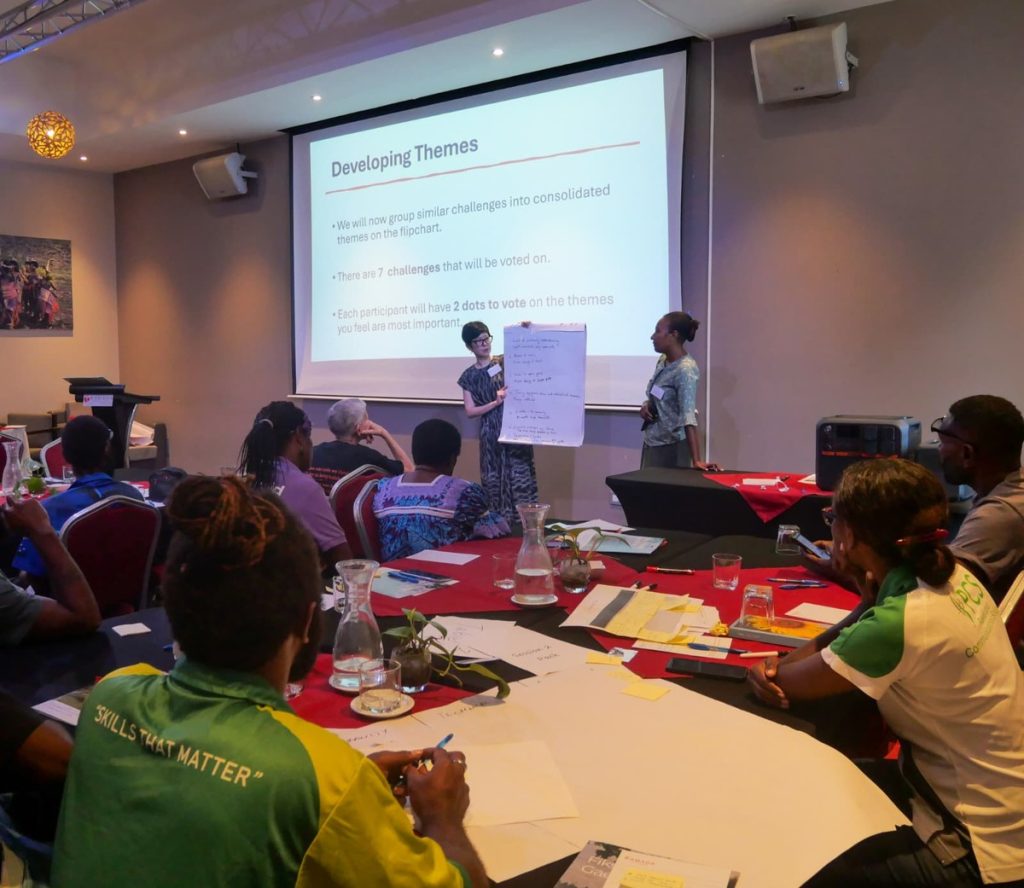
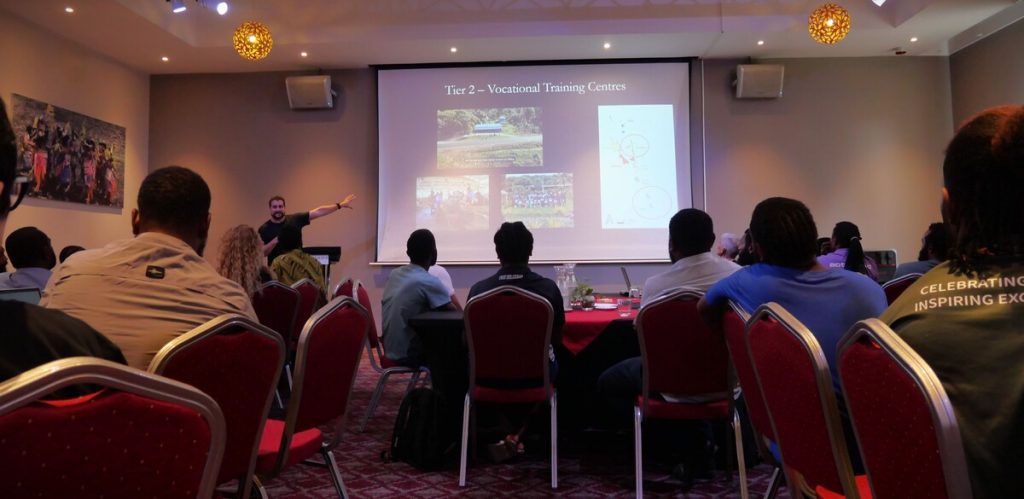
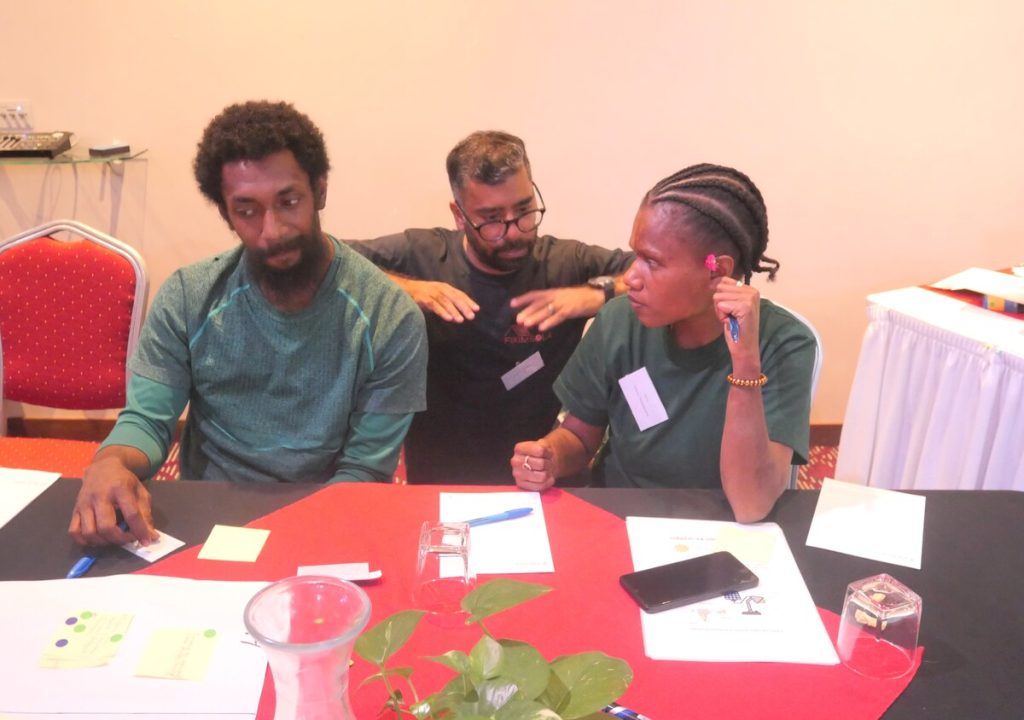
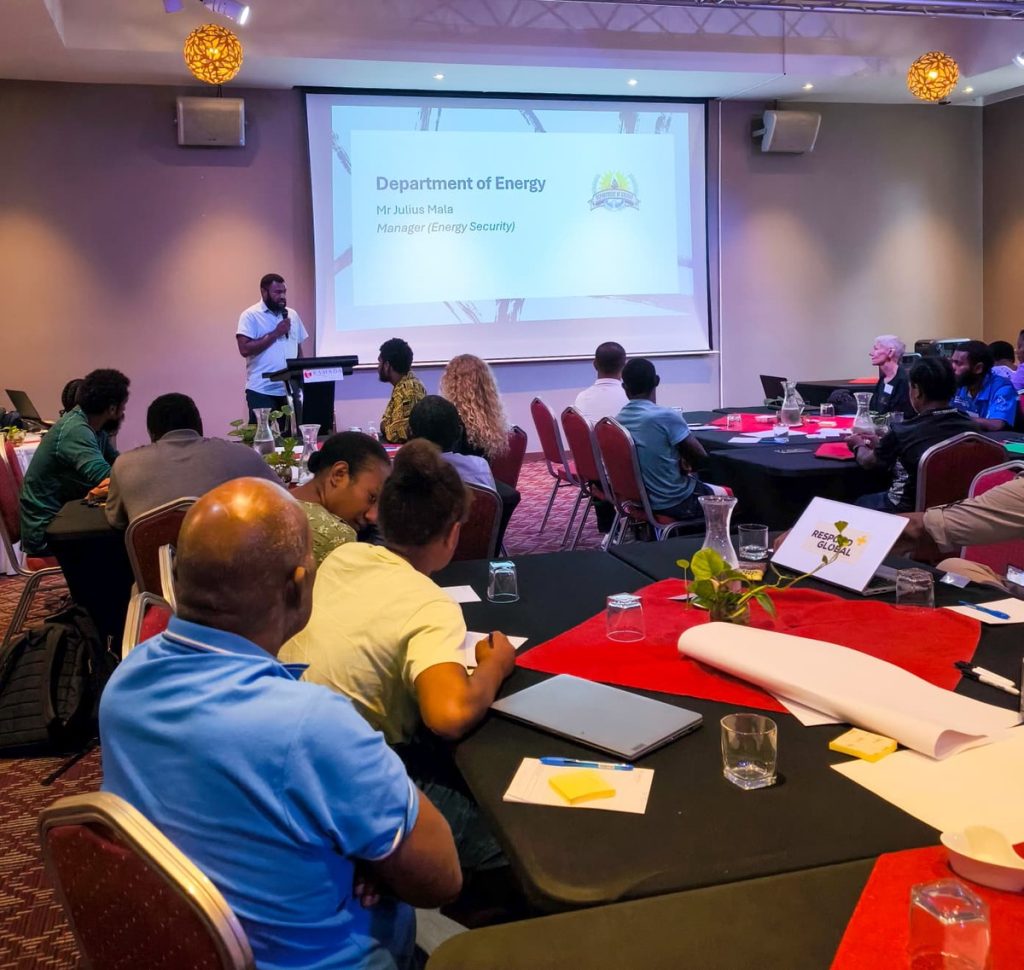
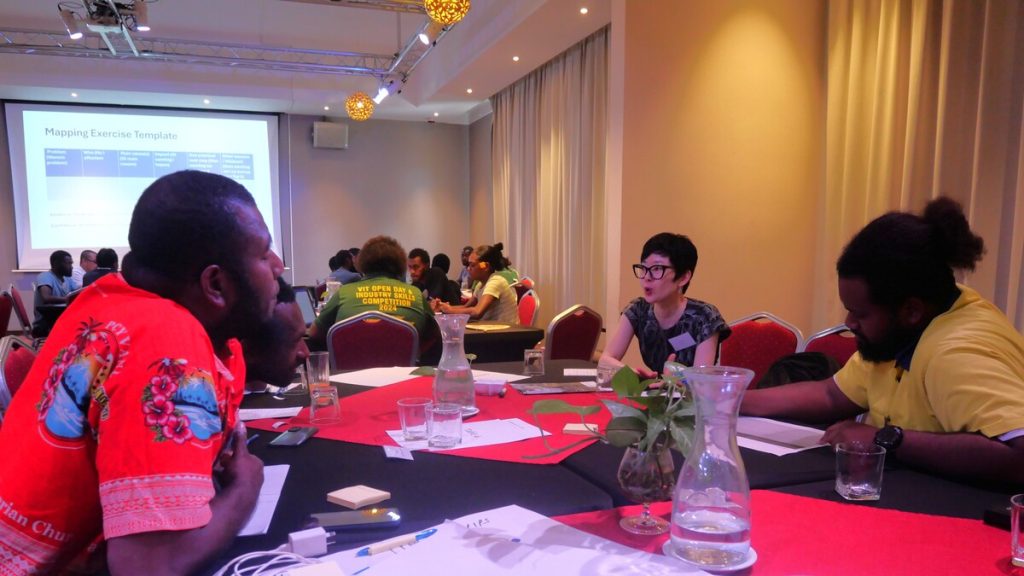
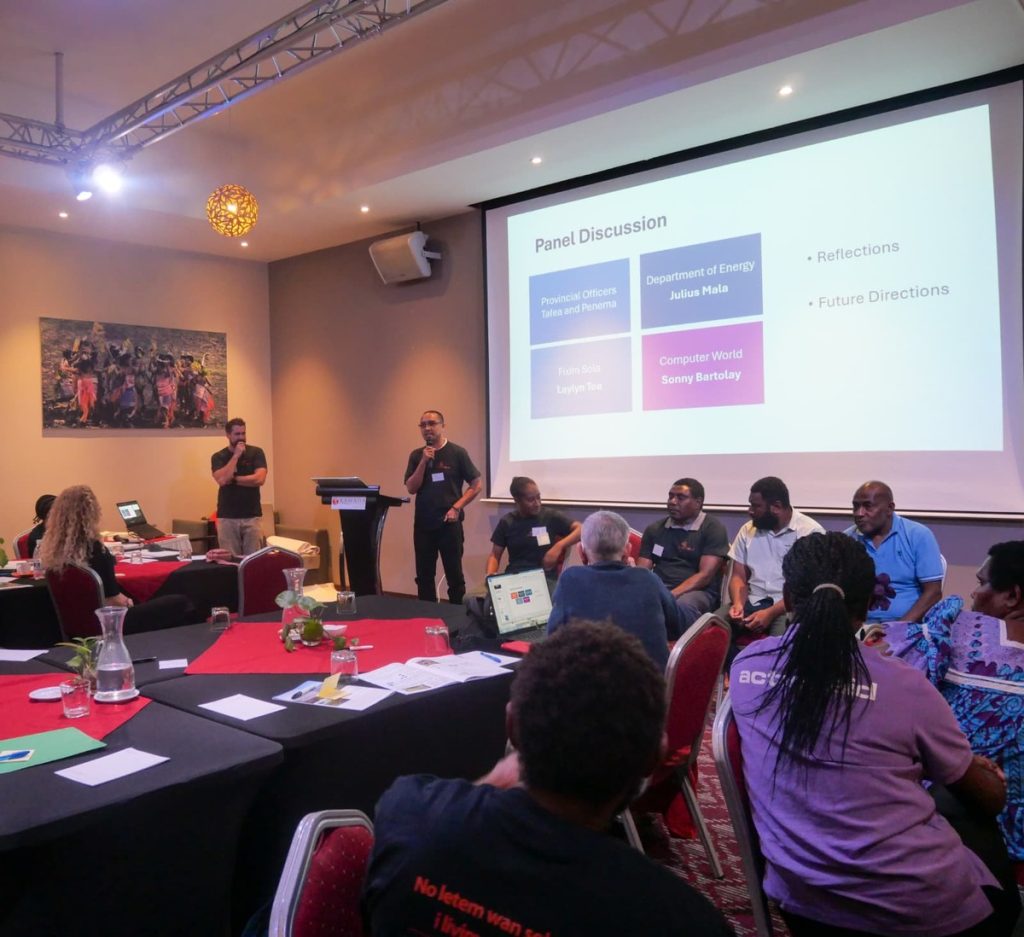
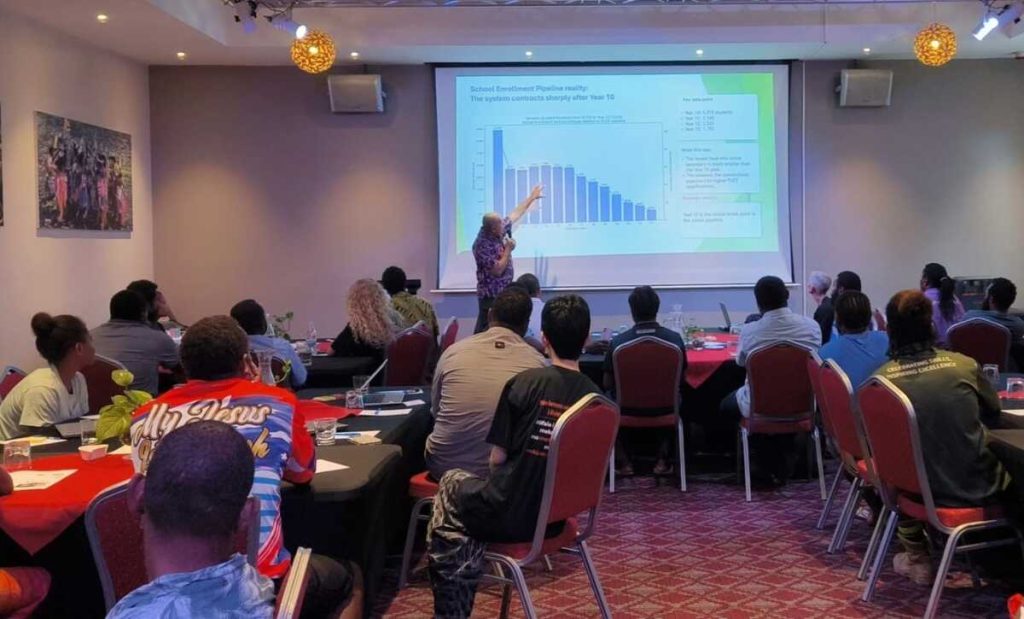
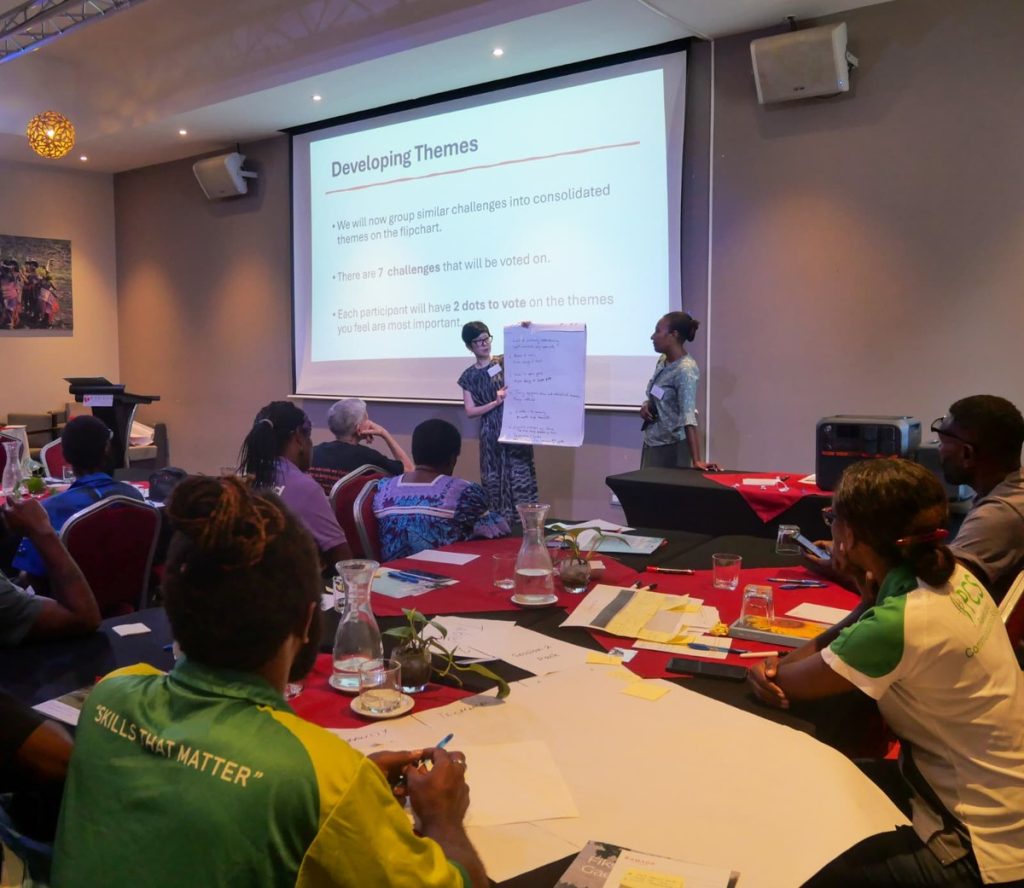
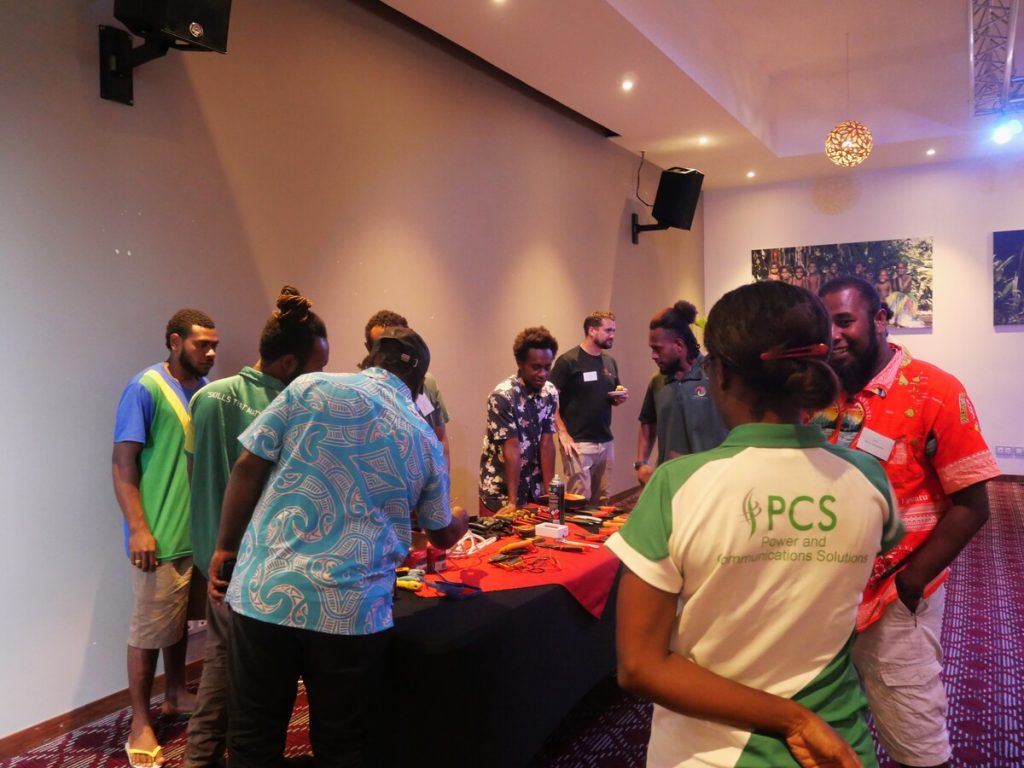
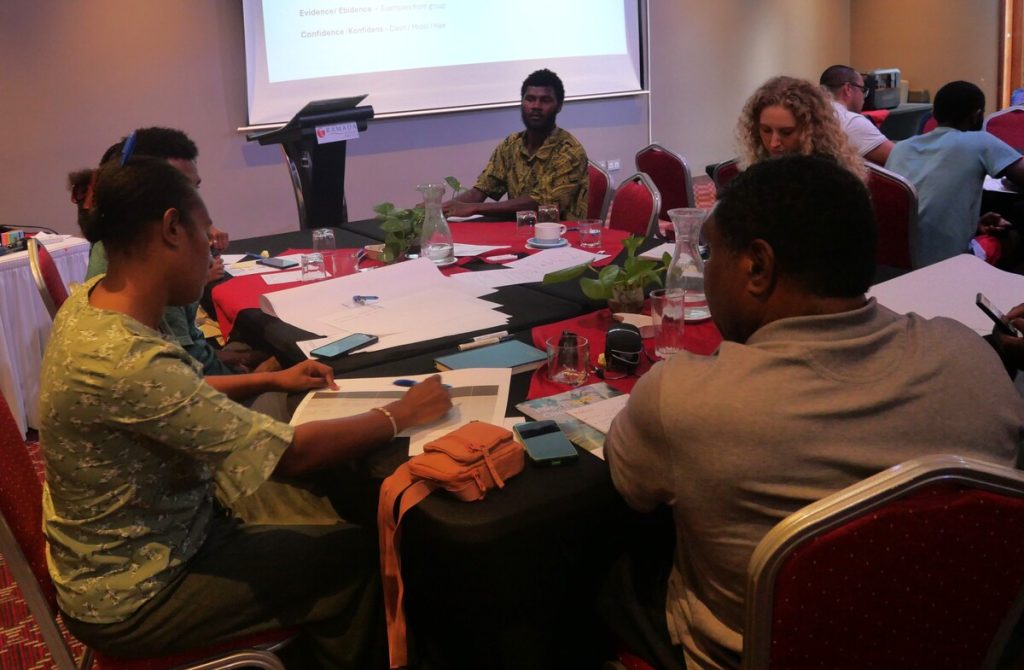
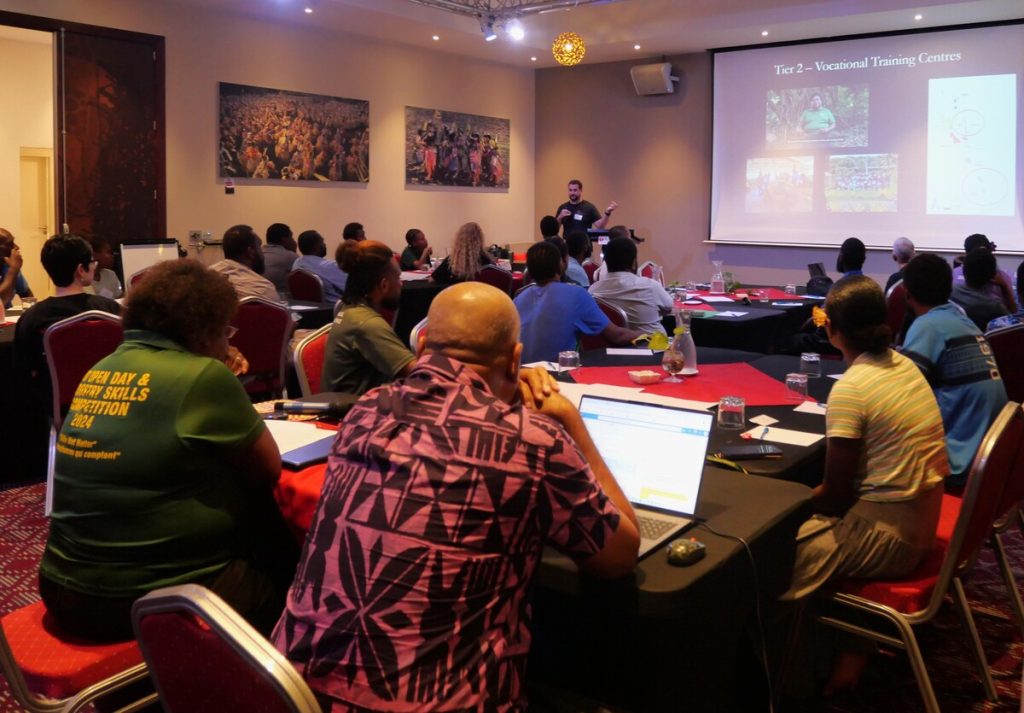
A workshop event held at Port Villa on 15 April marked the completion of a project harnessing the circular economy to tackle solar e-waste in Vanuatu.
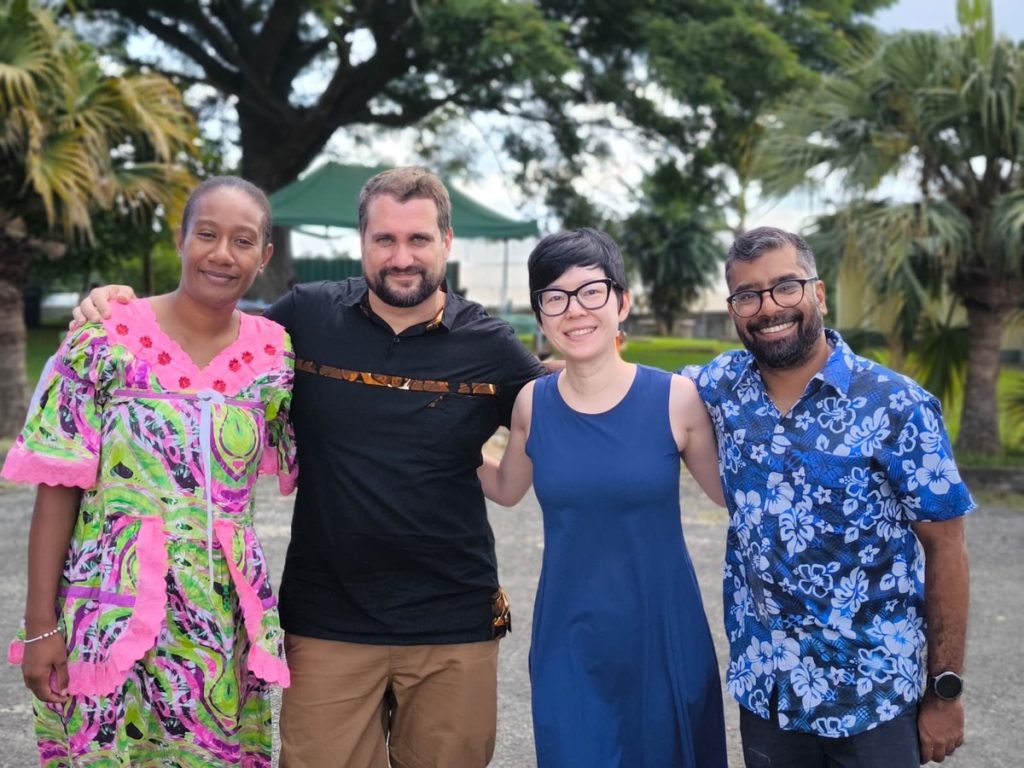
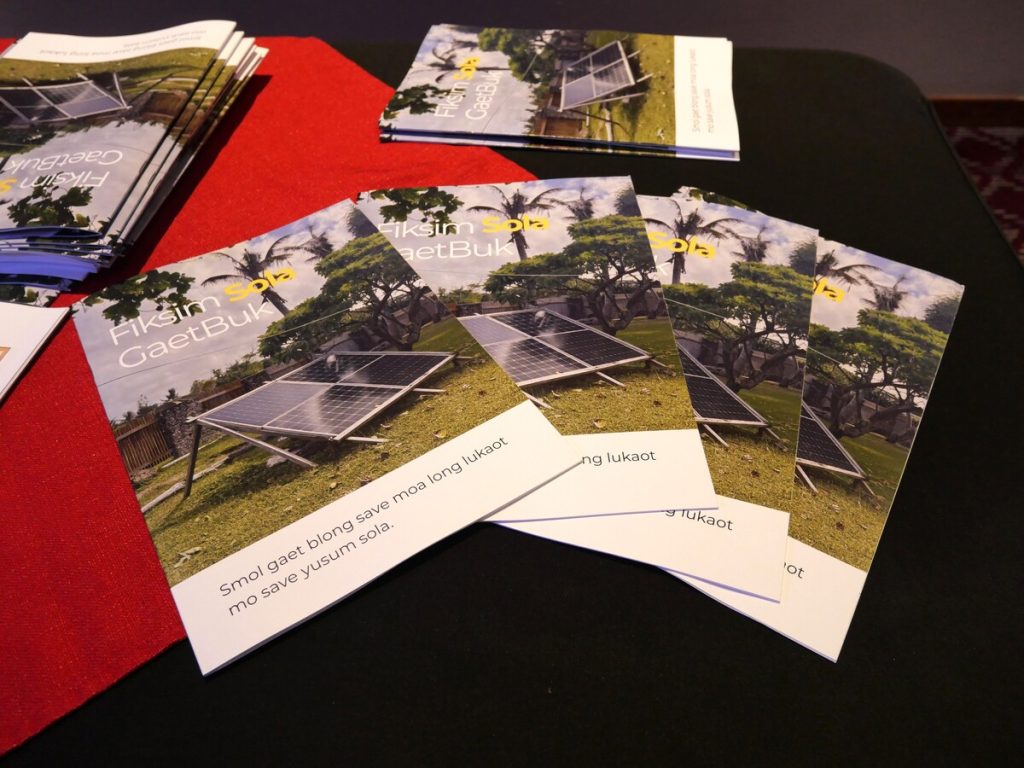
Delivered by the University of New South Wales (UNSW) in partnership with the Vanuatu Institute of Technology (VIT), the Department of Energy and the Australian Government through the Business Partnerships Platform (BPP), the ‘Fixim Sola’ project has focused on building local capacity to repair and maintain off-grid solar systems across remote communities.
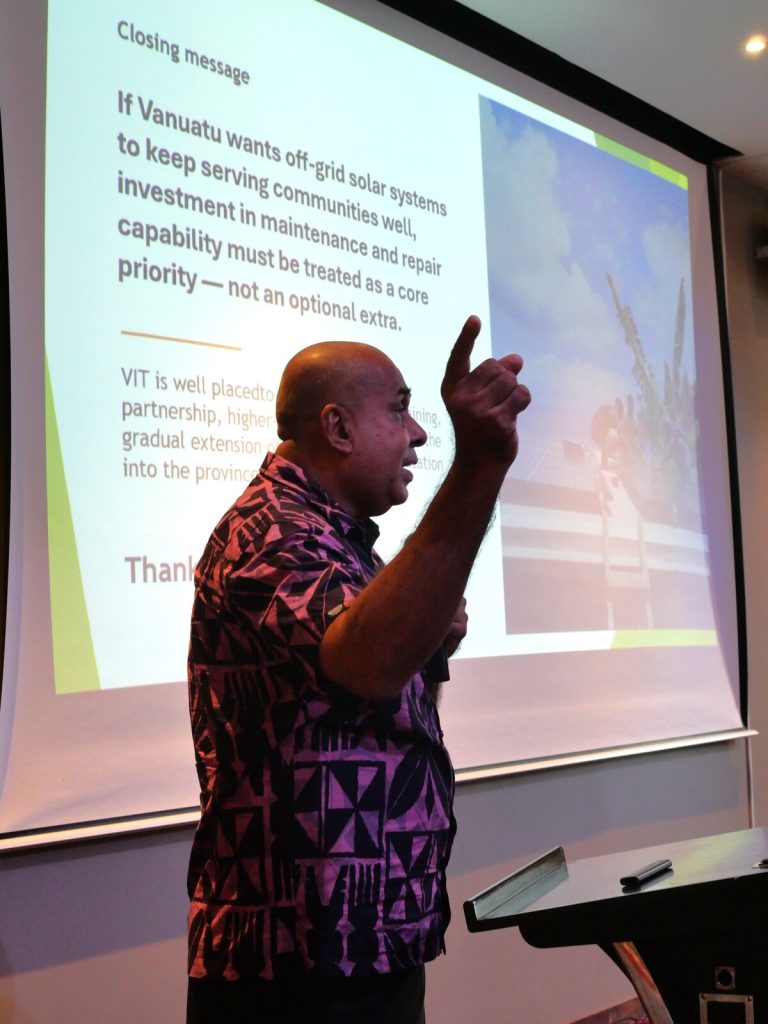
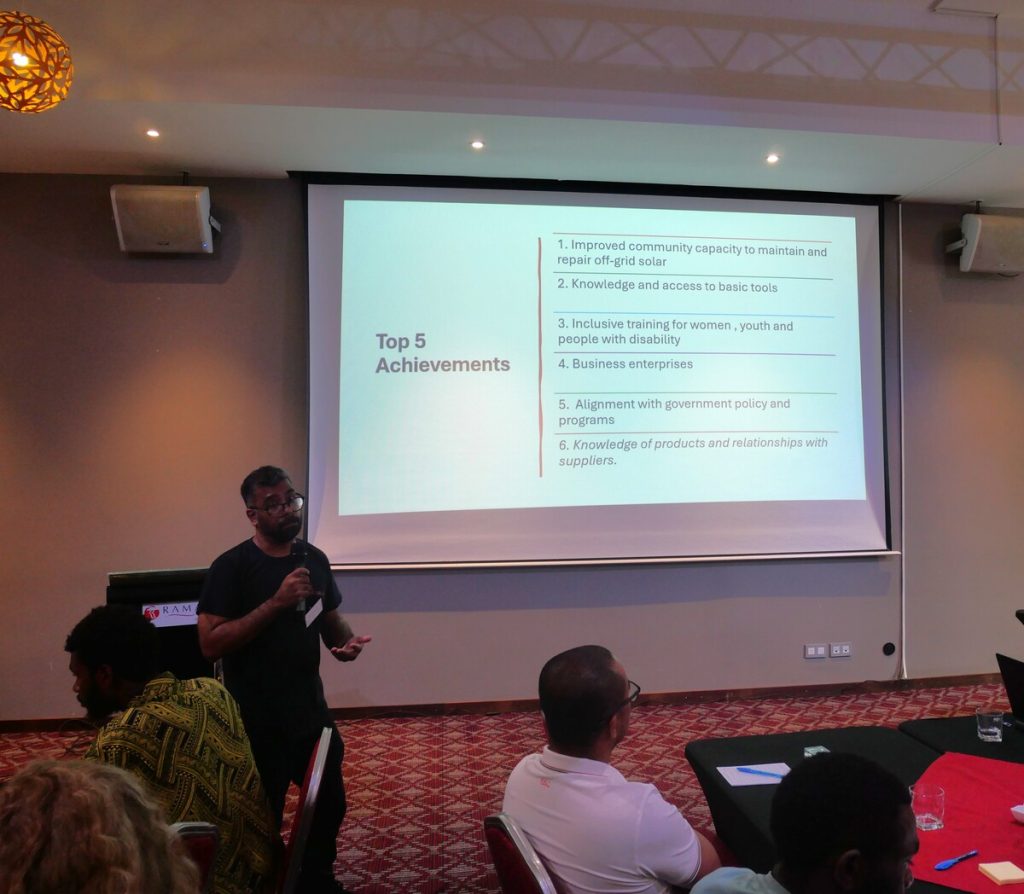
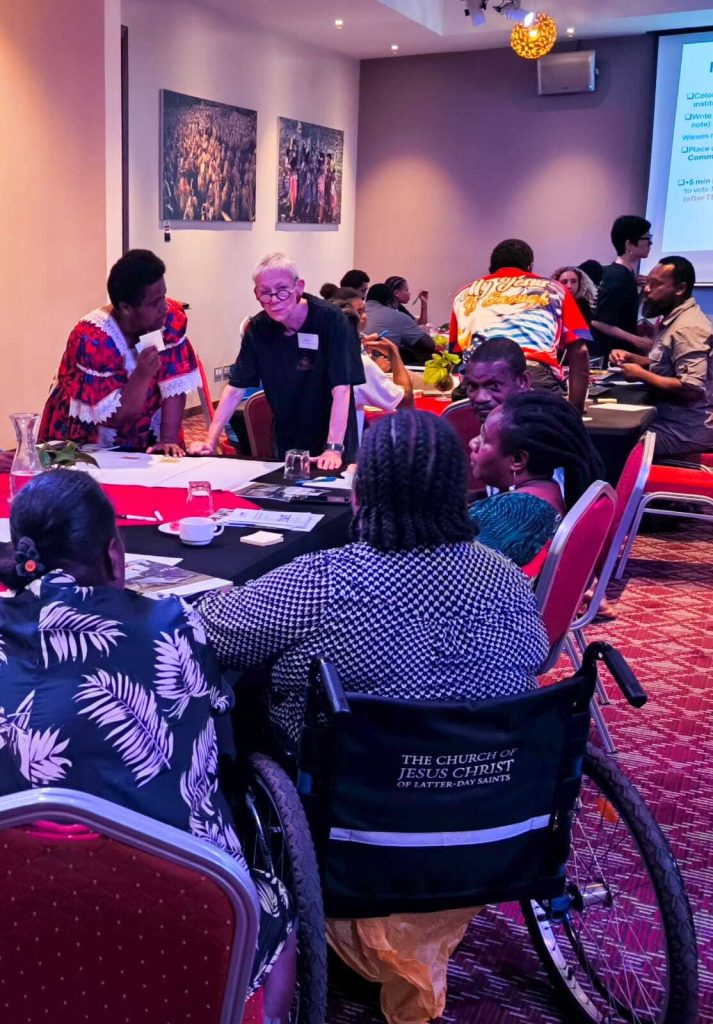
The workshop brought together project partners, trainers, community representatives and stakeholders to reflect on achievements, impact and lessons learned, while looking ahead to shape the future direction of off-grid solar maintenance with a focus on local ownership to continue impact beyond the life of the initiative.
Rather than installing new systems, the project has addressed a critical gap in energy access by focusing on the repair and maintenance of existing solar products. With around 90% of households in Tafea and Penama provinces relying on solar, and an estimated 40% of systems falling into disrepair, strengthening repair services is essential to ensuring reliable, long-term energy access while reducing solar e-waste.
The project demonstrates how circular economy approaches to extend the life of existing technologies through repair, reuse and skills development can deliver both environmental and economic benefits.
Key highlights
Highlights from the BPP partnership included:
- 141 people trained in solar maintenance and repair across Tafea and Penama provinces
- 45 women trained, more than doubling the original target, supporting greater participation in the energy sector
- Over 110 solar systems repaired, with many more assessments undertaken across communities
- Over 90,000 people benefiting from improved access to solar repair services
Delivery snapshot
- School-based solar training programs implemented at Tafea College and Lini Memorial College
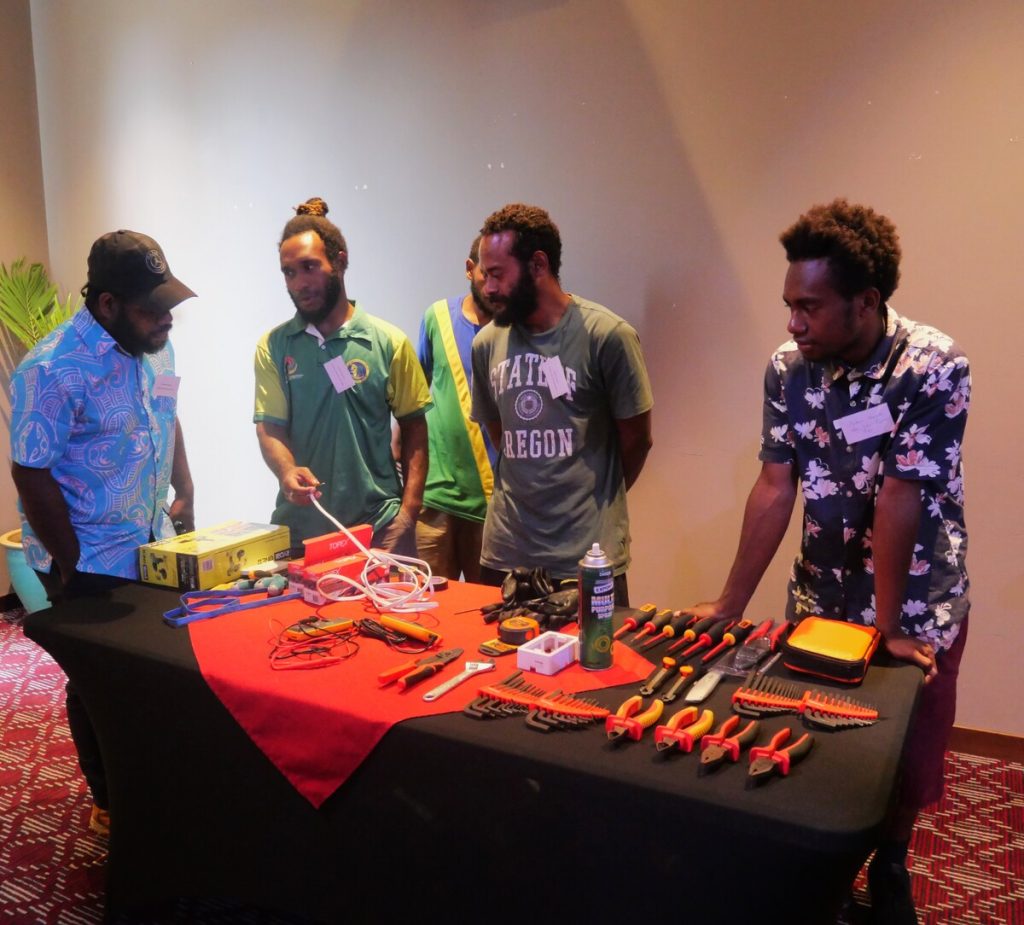
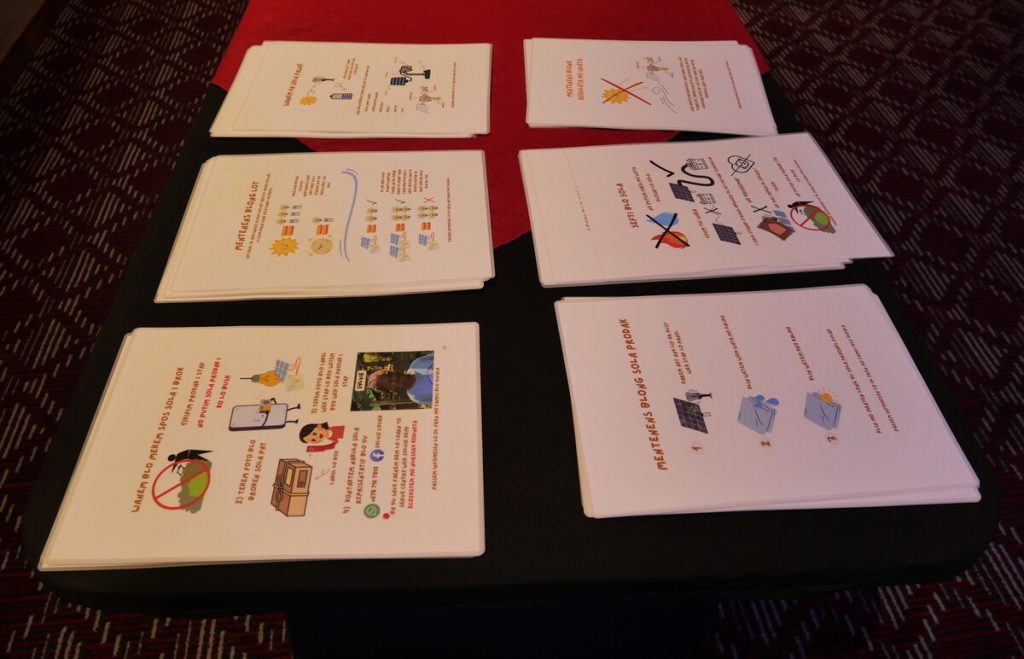
- Vocational training and refresher programs delivered across Tafea and Penama provinces with open-access training curricula developed for both vocational and secondary education
- Seven repair initiatives established, including businesses, cooperatives and school-based programs
Improving access to solar repair services is transforming how communities use and rely on renewable energy. Households can now restore broken systems, improving access to lighting, communication and essential services without the need to purchase new products.
The project has delivered strong economic outcomes, with trained technicians already establishing businesses, forming cooperatives and securing employment. These opportunities are creating new income streams while supporting local service delivery in remote areas.
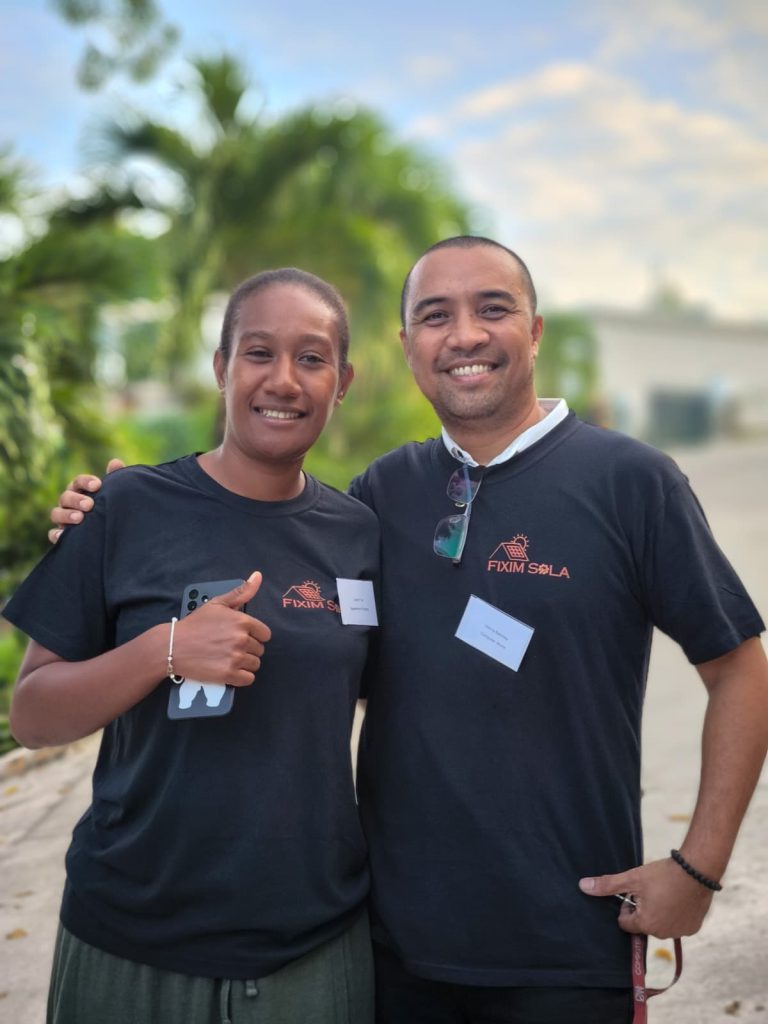
Hands-on, practical training has been central to the project’s success. Participants gained confidence through real-world repair and installation experience, strengthening their problem-solving skills and enabling them to apply their knowledge immediately within their communities.
The initiative has also driven significant improvements in solar literacy. Nearly all surveyed participants reported increased knowledge of solar use and maintenance, contributing to better system care and longer product lifespans.
Inclusive approaches have been embedded throughout the project. Women played key leadership roles in delivery, and targeted efforts supported participation from women and people living with disabilities. Women trainers, women-led data collection and tailored engagement approaches helped create more accessible and supportive learning environments.
A participant from Tafea College shared the impact of the training:
“The teachers and the students who participated in the workshop have expressed great interest and satisfaction. It has empowered them with the skills to assist their communities.”
The project has established a sustainable model for ongoing impact. Training will be embedded into VIT’s Certificate IV in Sustainable Energy, while graduates remain connected through peer networks to continue sharing knowledge and supporting repairs. Open-access materials and strong institutional partnerships provide a foundation for replication across Vanuatu and the wider Pacific.
Building on this success, there is strong potential to scale the model to other Pacific countries where off-grid solar is widely used, helping ensure communities can maintain and benefit from the energy systems they rely on every day.
View the full partnership impact story below or download here.
Find out more about the partnership.